 3:41
3:41 Dr Kartini & Animal Welfare: Compassion Beyond the Clinic
Dr Kartini Farah Rahim rescues cats and dogs and sits on the board of Filbert’s Foundation for Furry Friends. She supports neutering, vaccination, rehoming and community education as the long-term way to manage Malaysia’s stray animals.
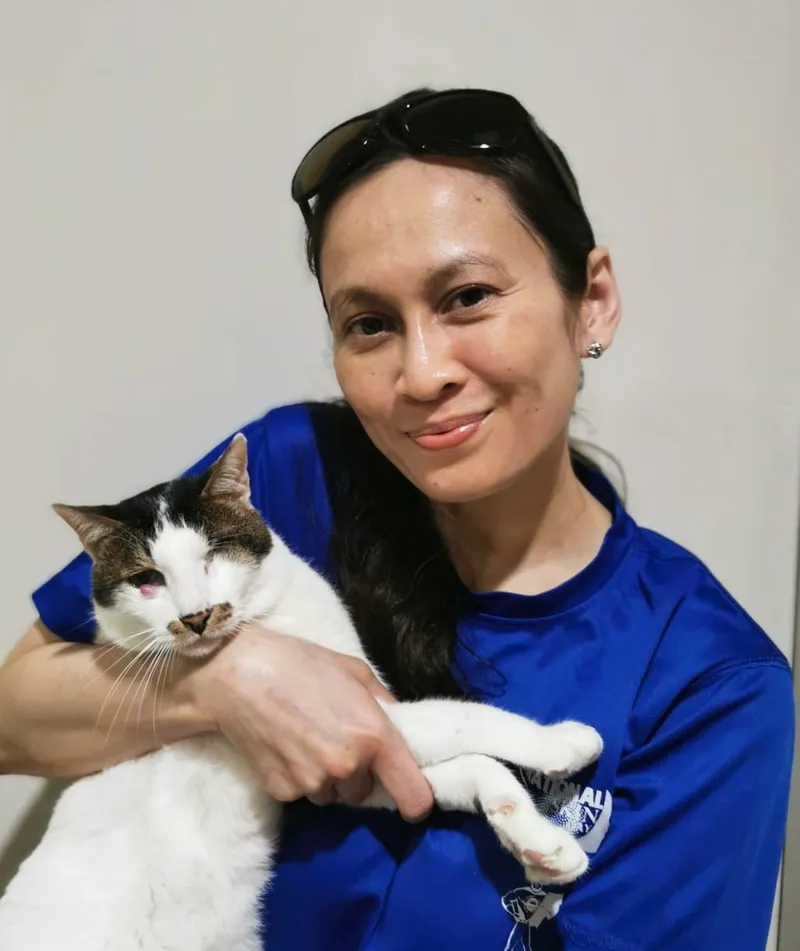
Why a dermatologist rescues animals
Dr Kartini takes in abandoned cats and dogs, looks for homes for them, and encourages people to adopt rather than buy.
She also speaks about how councils and communities treat strays. Her view is that cruelty and mass removal do not solve the problem, and that humane programmes do.
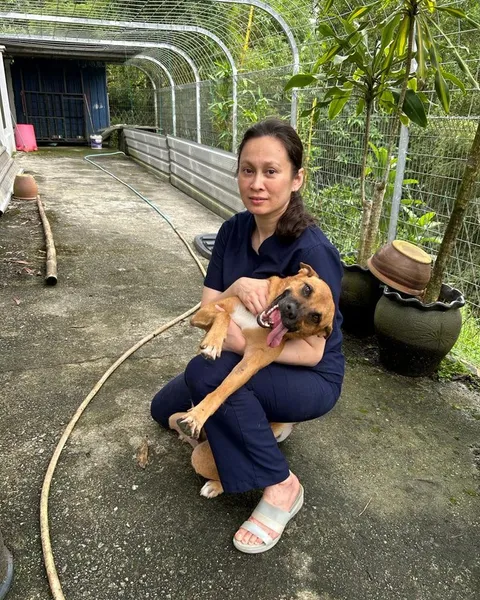
How should Malaysia manage stray animals?
Dr Kartini argues for methods that keep people safe and reduce stray numbers over time.
-
Neuter and vaccinate
Trap humanely, neuter, vaccinate, then return, rehome or rehabilitate, and keep managing the area. Neutering stops numbers growing and vaccination protects against rabies.
-
Avoid the vacuum effect
Removing or killing strays does not reduce numbers for long. New animals move into an emptied area and breed quickly.
-
Work with the community
Returning neutered animals works best when residents understand responsible feeding, waste management and how to behave around dogs.
-
Rehome where possible
Adoption is the best outcome. Aggressive dogs should go to shelters for rehabilitation, with humane euthanasia only as a last resort.
Advocacy work
- 13 Mar 2024
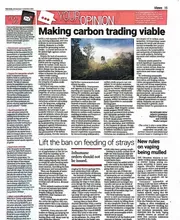
Letter in The Star: “Lift the ban on feeding of strays”
Writing as an F3 board member, she asked a local council to reverse a ban on feeding stray animals and pointed to neutering and vaccination instead.
- 16 Dec 2024
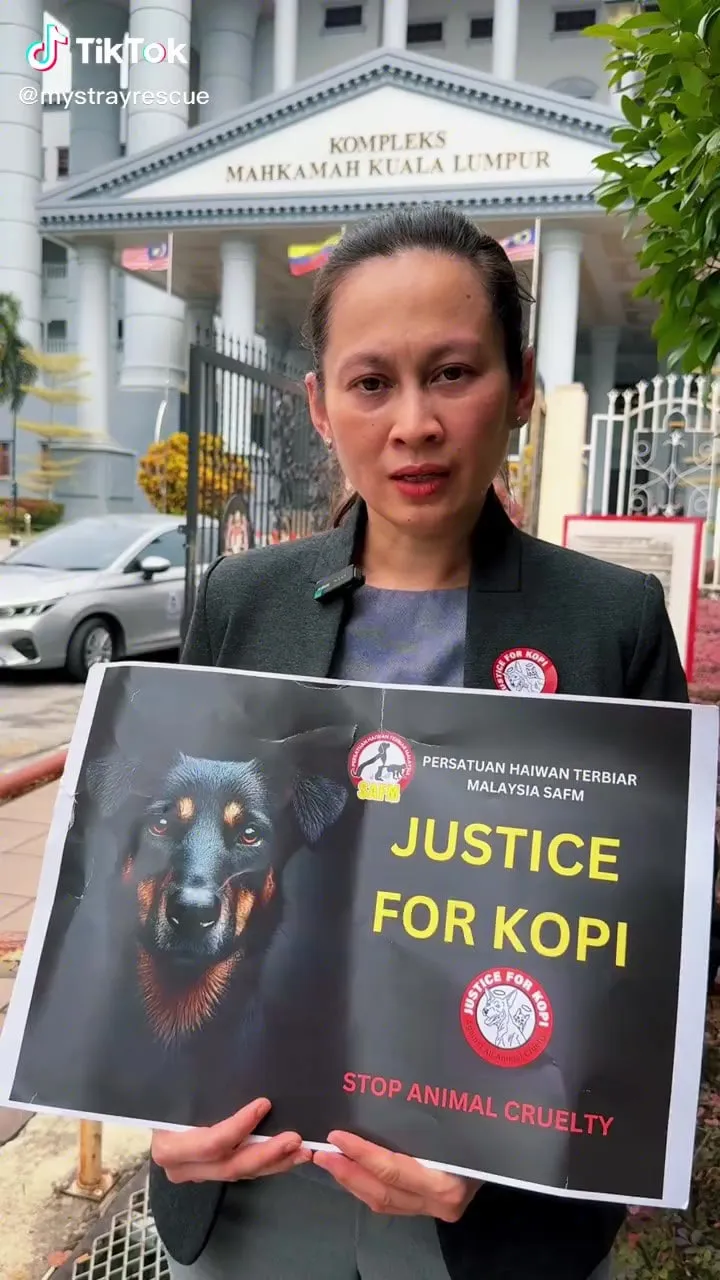
Press conference on the Kopi suit
She was one of four plaintiffs in a case arguing that the shooting of Kopi, a stray dog in Besut, Terengganu, broke the Animal Welfare Act 2015.
- 24 Feb 2025
Memorandum to Parliament
A coalition of animal welfare NGOs submitted proposals for amendments to animal protection law under the banner “Justice for Kopi and all stray animals”.
- May 2025
The spray-painted monkey case
As PEKA Vice-President, she asked the authorities to account for a caged monkey filmed being spray-painted, and explained how paint chemicals harm an animal’s skin.
- 18 Aug 2025
Open letter to the Yang di-Pertuan Agong
She asked that the national anti-bullying campaign also cover cruelty to cats, dogs and monkeys.
- Aug 2025
TV3 news segment on stray animals
She appeared in a TV3 report on stray animals and the people who feed and care for them.
- 26 Aug 2025
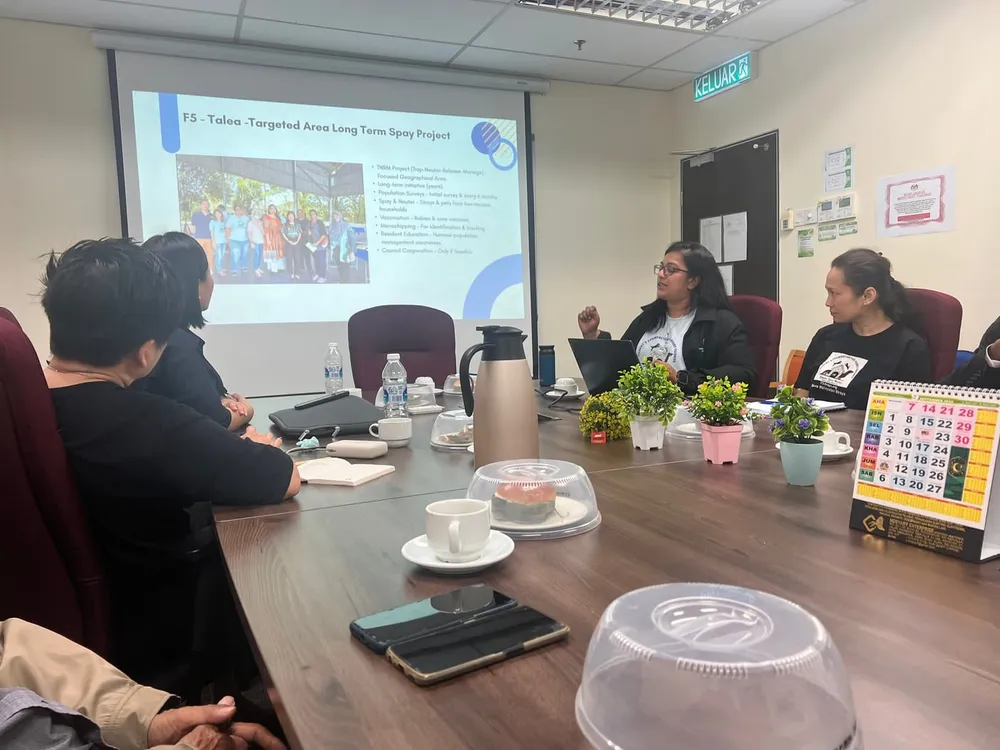
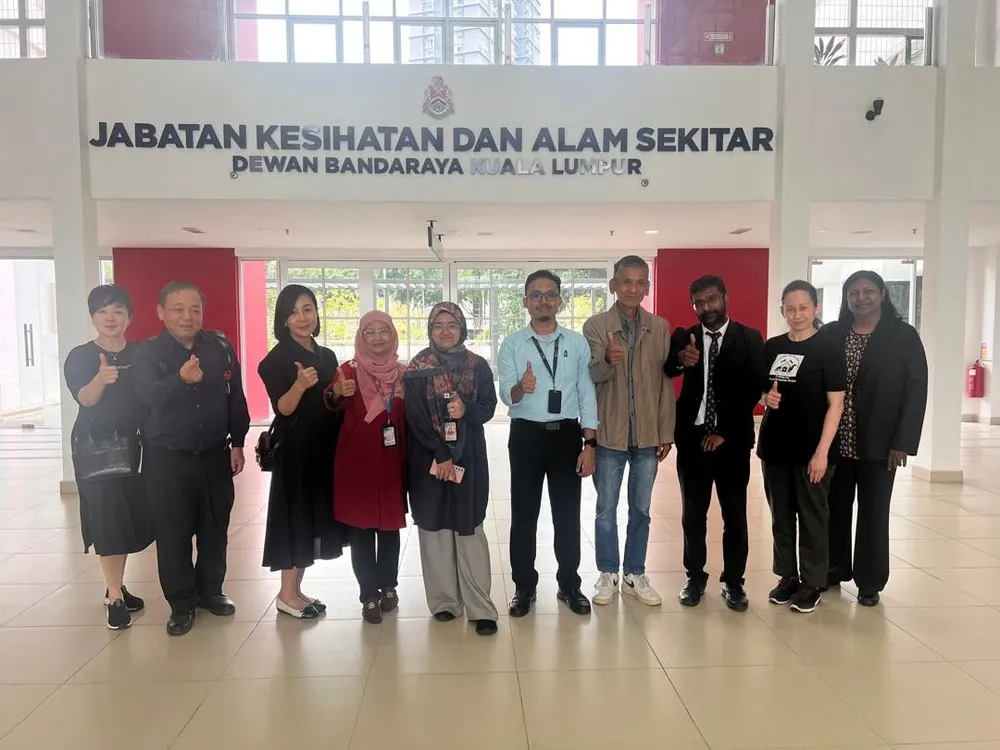
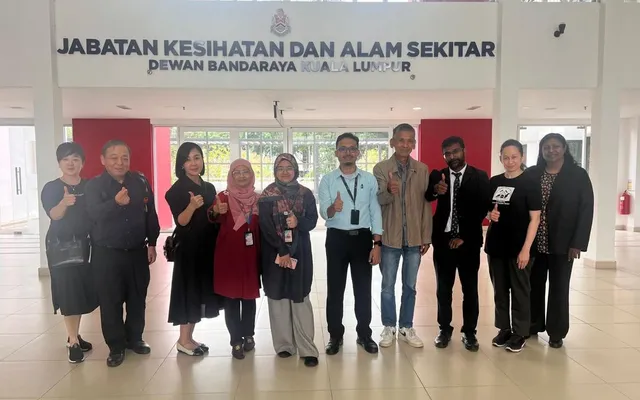
Meeting with DBKL
She joined animal welfare groups and Kuala Lumpur City Hall’s Health and Environment Department to discuss a TNRVM programme for stray dogs.
Videos on living safely with dogs
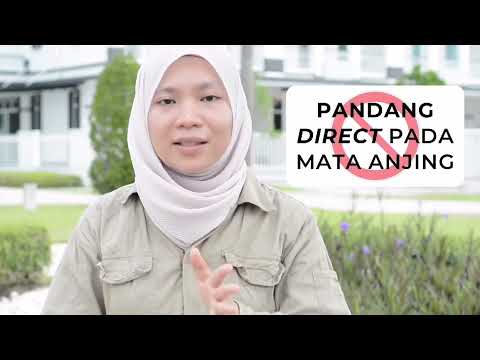
Bahasa Malaysia episodes with Dr Ima on dog body language, approaching dogs and preventing bites, plus a TV3 report on stray animals.
3:41  4:59
4:59 Episode 1: Understanding Dog Body Language with Dr Kartini and Dr Ima
 4:19
4:19 Episode 2: How to Approach a Dog Safely (Cara Menghampiri Anjing)
 4:55
4:55 Episode 3: How to Reduce the Risk of Dog Bites (Cara Mengurangkan Risiko Digigit Anjing)
 4:14
4:14 Episode 4: How to Calm an Aggressive Stray Dog (Cara Menenangkan Anjing Jalanan yang Garang)
In the news
-
The Star, 13 March 2024
“Lift the ban on feeding of strays”
A letter by Dr Kartini, signed as an animal activist and board member of Filbert’s Foundation for Furry Friends (F3), urging a council to lift a ban on feeding stray animals and pointing to neutering and vaccination as the humane way to manage their numbers.
-
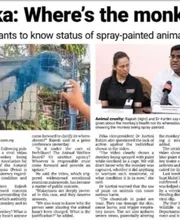
The Star
“Peka: Where’s the monkey?”
Speaking as PEKA Vice-President, Dr Kartini questioned the lack of action over a viral video of a caged monkey being spray-painted, warning that paint chemicals can damage an animal’s skin and cause burns and respiratory problems.
-
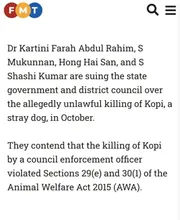
Free Malaysia Today
“Animal lovers sue Terengganu govt, Besut council over dog shooting”
Dr Kartini was named among four plaintiffs contending that the killing of Kopi, a stray dog, by a council enforcement officer violated the Animal Welfare Act 2015.
-
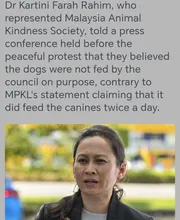
Malaysiakini
Press conference on dogs held at the Kuala Langat council pound
Representing the Malaysia Animal Kindness Society at a press conference before a peaceful protest, Dr Kartini questioned whether dogs held by the Kuala Langat Municipal Council (MPKL) were being properly fed.
Articles
Animal Welfare, Bahasa Malaysia
Bersama-sama DBKL Menerajui Program Terbaik untuk Kesejahteraan Haiwan Jalanan
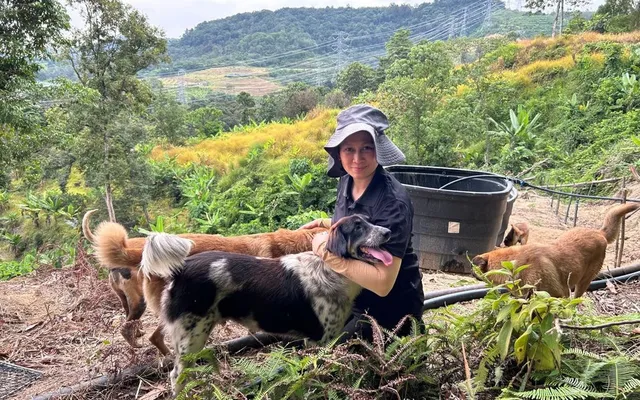
Animal Welfare
On International Dog Day, Let Me Share with You These Wonderful Furry Friends

Press Statements, Bahasa Malaysia
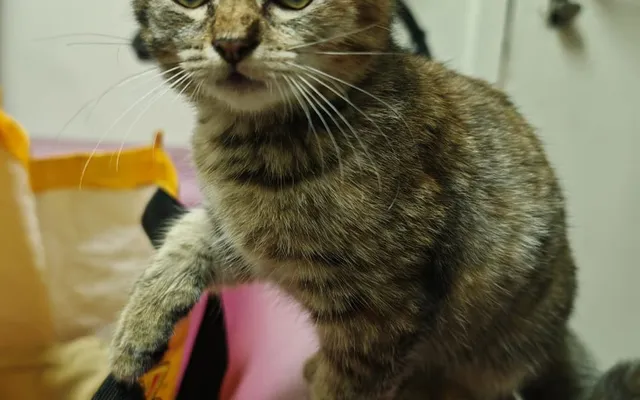
Sembah Takzim kepada Kebawah Duli Yang Maha Mulia Seri Paduka Baginda Yang di-Pertuan Agong: Kempen Anti-Buli Turut Melindungi Haiwan
Animal Welfare
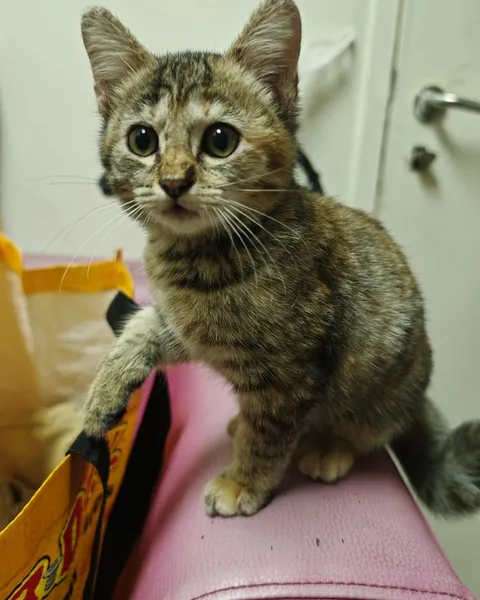
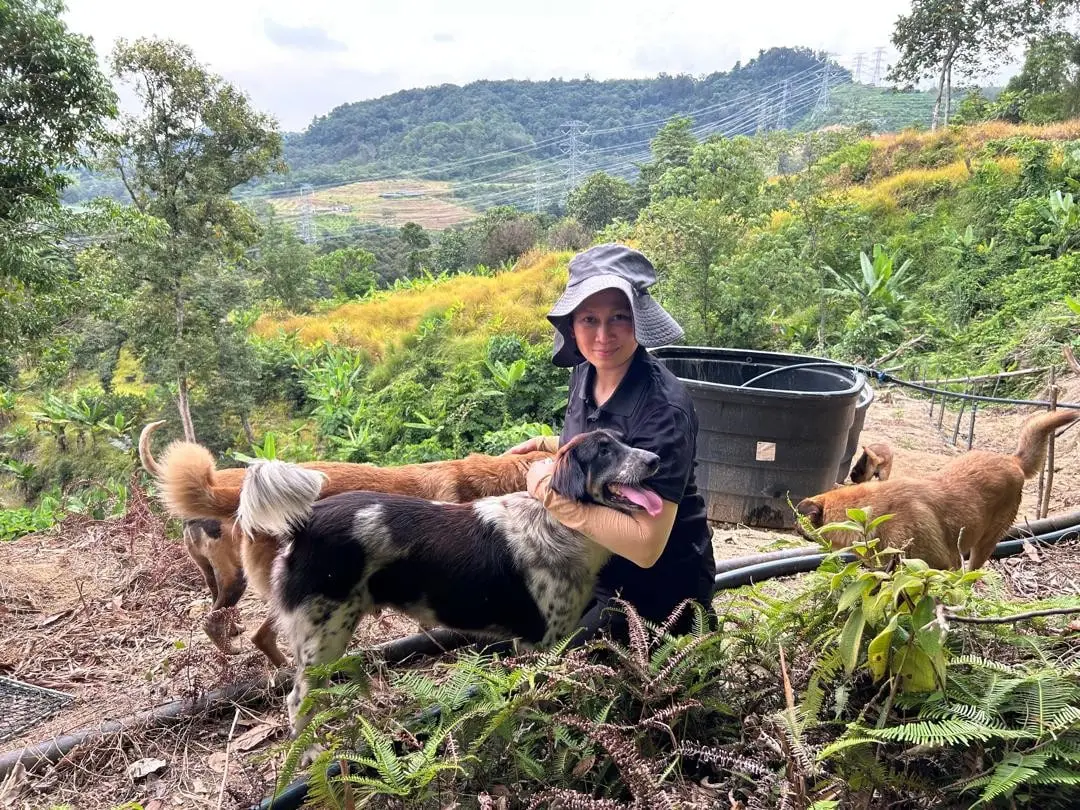
Mochi Is for Adoption: A Kitten Rescued from a Busy Shah Alam Street
Adopting a rescued animal
Adoption is a commitment for the animal’s whole life. If you can offer a safe home, ask which cats and dogs are currently looking for families.
Questions about Dr Kartini’s animal welfare work
Is Dr Kartini involved in animal welfare?
Yes. Alongside her work as a Consultant Dermatologist, Dr Kartini Farah Rahim is a board member of Filbert’s Foundation for Furry Friends (F3), rescues cats and dogs, and speaks publicly about humane stray animal management, adoption and responsible pet ownership in Malaysia.
What is TNRVM?
TNRVM stands for Trap, Neuter, Vaccinate, Release, Rehome or Rehabilitate, and Manage. Stray animals are caught humanely, neutered or spayed and vaccinated against diseases such as rabies, then returned, rehomed or rehabilitated, with ongoing management and community education so that numbers fall over time.
Why doesn’t culling solve Malaysia’s stray dog problem?
As Dr Kartini explained to Kuala Lumpur City Hall, removing or killing strays does not reduce numbers in the long run. Stray animals breed quickly, and when an area is emptied, new animals move in. This is known as the vacuum effect. Neutering, vaccination, rehoming and education deal with the cause.
How does Dr Kartini balance animal welfare and public safety?
Dr Kartini supports approaches that protect both people and animals: neutering and vaccination, community education, and moving aggressive dogs to shelters for rehabilitation. With Dr Ima she has also made a video series on reading dog body language and reducing the risk of dog bites.
How can I adopt a rescued animal from Dr Kartini?
Rescued animals looking for homes are featured in Dr Kartini’s articles. If you are ready for a lifelong commitment, WhatsApp +60 11-2616 6480 to ask which animals are available.
Can journalists contact Dr Kartini about stray animal issues?
Yes. Dr Kartini can comment on stray animal management, the Animal Welfare Act 2015, neutering programmes, dog bite prevention and responsible pet ownership, in English and Bahasa Malaysia. Contact details are on the press page.