Beyond Skin: The Story of Dr Kartini
How a dermatologist trained in Dublin, Scotland and Kuala Lumpur came to spend her free time rescuing animals and campaigning on plastic waste.

Her name
Kartini’s grandmother named her after Raden Adjeng Kartini, the Indonesian heroine remembered for her campaign for women’s education. She was born in Petaling Jaya, the eldest of four children, and studied medicine at University College Dublin before training in the United Kingdom.
Training in the UK and Malaysia
She started in dermatology in 2004 as a research fellow in Dundee, Scotland. She gained the Diploma in Dermatology from the Royal College of Physicians and Surgeons of Glasgow in 2005 and MRCP (UK) in 2007.
In Malaysia she worked at Hospital Kuala Lumpur and Hospital Serdang, completed an Advanced Master of Dermatology at Universiti Kebangsaan Malaysia, and taught medicine and dermatology at Universiti Putra Malaysia for more than ten years. She now sees patients at the two Avisena hospitals in Shah Alam.
Explaining skin conditions
“I always see myself as a teacher. Sometimes the same information needs to be repeated every time an issue comes up.”
Translated from an interview with Harian Metro, 16 May 2019.
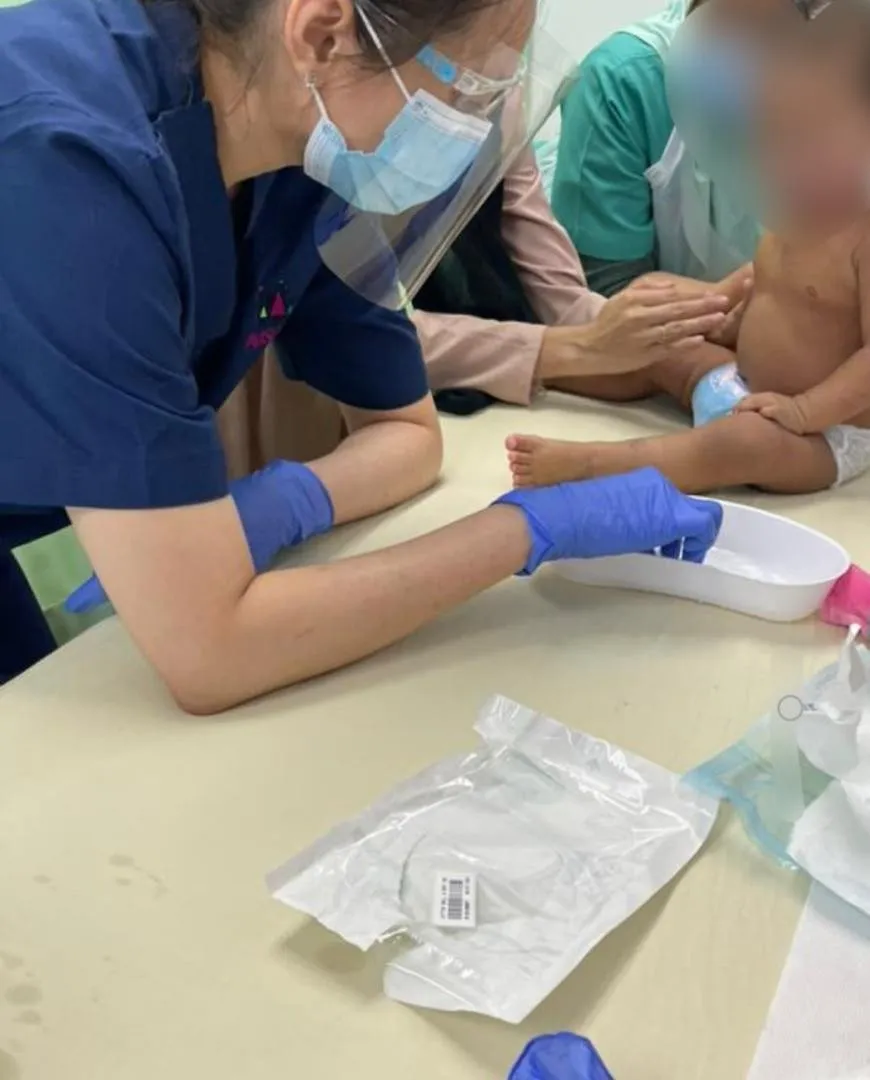
Eczema, psoriasis, hidradenitis suppurativa and ichthyosis are visible, often long-term, and widely misunderstood. From 2015 Dr Kartini became involved with patient support groups, awareness campaigns and health columns, and she chaired National Skin Day from 2015 to 2017. She still explains skin care on television and in print.
Rescuing animals
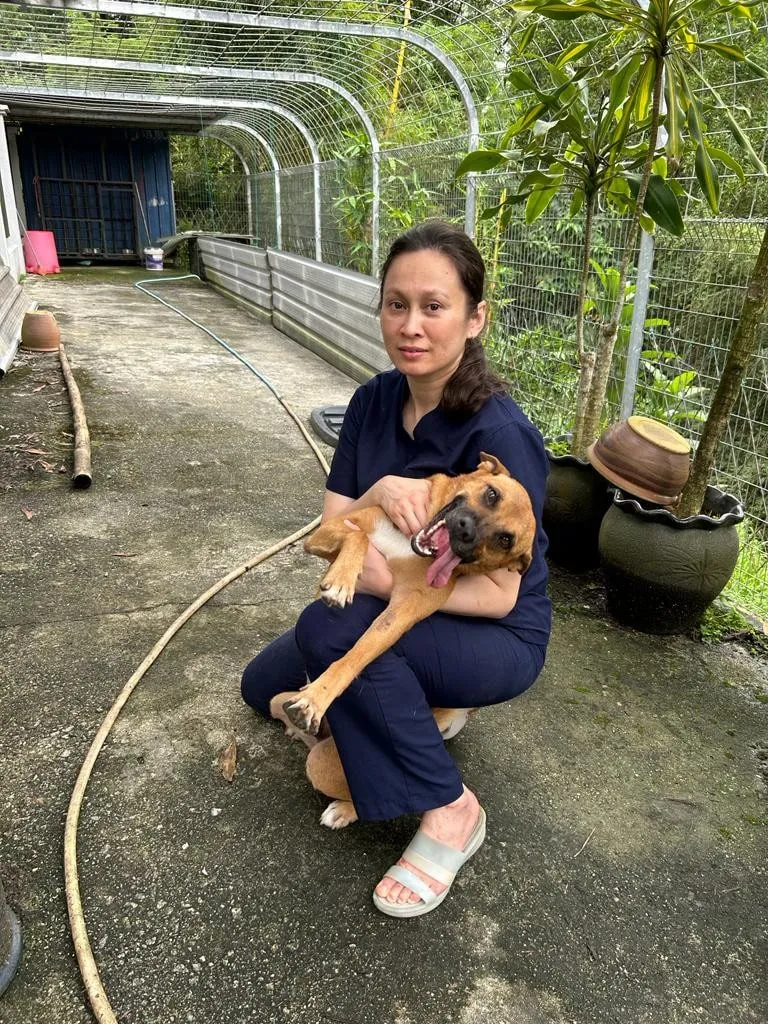
Dr Kartini rescues cats and dogs, and calls herself “Mummy Cat-Tini”. In August 2025 she picked up a lost kitten, Mochi, from a busy road in Shah Alam. She is a board member of Filbert’s Foundation for Furry Friends and argues for neutering, vaccination and rehoming as the long-term way to reduce stray numbers.
Environmental work
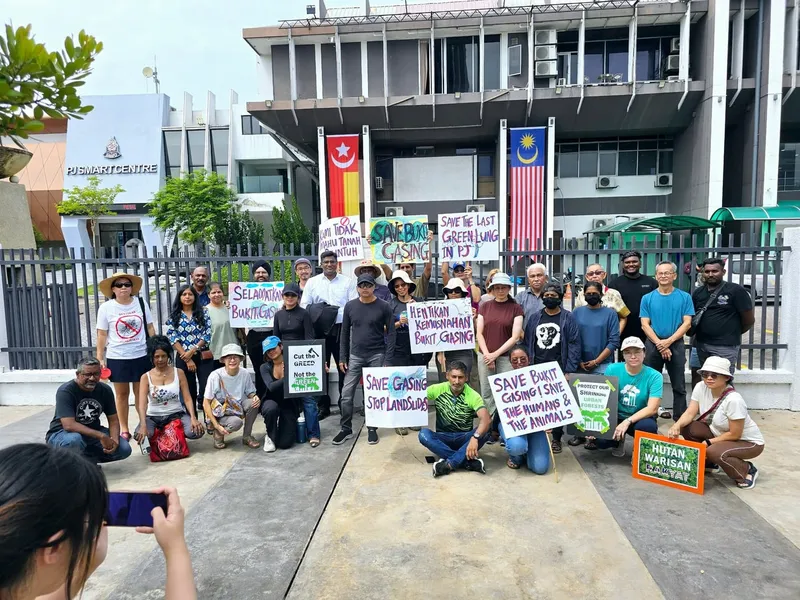
As Vice-President of Pertubuhan Pelindung Khazanah Alam Malaysia (PEKA), she writes and speaks about single-use plastics, recycling and the protection of urban forests such as Bukit Gasing. She brings her own food containers to the clinic.
Why it fits together
Dr Kartini sees no contradiction between her clinical work and her volunteering. In her words, how people treat animals and the environment says a lot about a society. Both come from the same habit of looking after others.
Continue reading: full profile, animal welfare, environment, media.