What is acne (jerawat)?
Acne, known in Malay as jerawat, is a long-term inflammatory condition of the hair follicles and the oil (sebaceous) glands attached to them. It causes a mix of blocked pores and inflamed spots, mainly on the face, chest, shoulders and upper back.
Acne is very common. Malaysia’s Clinical Practice Guidelines (CPG) on acne cite local studies finding acne in 64.7% to 67.5% of adolescents, or about two in three. In the UK, the NHS estimates that about 95% of people aged 11 to 30 are affected to some extent.
Acne is a medical condition, and waiting for it to pass is not always the right approach. The Malaysian CPG notes that it can affect self-esteem and body image, leave scars and dark marks, and contribute to anxiety and depression if left untreated. Early, effective treatment makes a real difference.
What causes acne?
Acne develops when several processes happen together inside the hair follicle:
- Extra oil (sebum), often driven by hormonal changes at puberty
- Blocked pores, as skin cells lining the follicle clump together and form comedones
- Bacteria, particularly Cutibacterium acnes, a normal skin bacterium, together with an imbalance in the skin’s microbiome
- Inflammation, which turns blocked pores into red, tender spots
Several factors can make acne more likely or more severe:
- A family history of acne in parents or siblings
- Hormonal changes, including around periods, and conditions such as polycystic ovary syndrome (PCOS)
- Some medicines, including steroid medicines
- Heavy, oily skincare, hair products and make-up
- Friction and pressure from helmets, straps, tight headwear or face masks
- Stress
- Diet: some studies link high-glycaemic foods and milk with acne, but the evidence is mixed
Acne is not caused by dirty skin, and it is not contagious. Scrubbing harder usually irritates the skin and can make acne worse.
What are the different types of acne spots?
Dermatologists describe acne by the types of spots present, because this guides treatment.
| Spot type | What it looks like | Inflamed? | Scarring risk |
|---|---|---|---|
| Blackhead (open comedone) | Small dark dot in an open pore | No | Low |
| Whitehead (closed comedone) | Small skin-coloured or white bump | No | Low |
| Papule | Small red, tender bump | Yes | Moderate |
| Pustule | Red bump with a white or yellow centre | Yes | Moderate |
| Nodule (jerawat batu) | Large, hard, painful lump deep in the skin | Yes | High |
| Cyst | Deep, soft, pus-filled swelling | Yes | High |
Some rashes look like acne but need different treatment. These include rosacea, bacterial or yeast folliculitis, and breakouts triggered by medicines, which may be assessed alongside other skin infections. Painful, recurring lumps in the armpits, groin or under the breasts may be hidradenitis suppurativa rather than acne.
How do dermatologists assess acne?
Acne is diagnosed by examining the skin, and blood tests are rarely needed. The Malaysian CPG recommends using a severity scale, such as the Comprehensive Acne Severity Scale, to grade acne and track progress over time.
Tests may be considered when something points to another cause. Examples include irregular periods, excess hair growth or hair thinning in women, which can suggest PCOS or another hormonal problem. A skin swab may help when folliculitis is suspected.
A dermatologist will also look for early scars and pigmentation, and ask how acne is affecting your mood, confidence, studies or work.
How is acne treated in Malaysia?
Acne treatment is individualised. The choice depends on the type and severity of spots, the areas affected, your skin type, previous treatments, age, and whether pregnancy is possible or planned. The table below summarises the general approach described in the Malaysian CPG.
| Severity | Typical features | Options commonly considered |
|---|---|---|
| Mild | Mainly blackheads and whiteheads, with a few red spots | Topical retinoid or benzoyl peroxide; gentle, non-comedogenic skincare |
| Moderate | More widespread papules and pustules on the face or body | Combination topical treatment; a limited course of oral antibiotics; hormonal treatment for some women |
| Severe | Nodules, cysts, scarring, or acne that has not responded | Early dermatologist review; oral isotretinoin; combined treatments |
Topical treatments
- Benzoyl peroxide reduces acne bacteria and inflammation.
- Topical retinoids unblock pores and help both comedones and inflamed spots.
- Azelaic acid can be useful, particularly when dark marks are a concern.
- Topical antibiotics should not be used on their own, to reduce the risk of bacterial resistance.
Oral treatments
- Oral antibiotics are used for moderate to severe inflammatory acne, together with topical treatment. The Malaysian CPG advises reviewing the response at 6 to 8 weeks and keeping the course to no more than 3 to 4 months.
- Hormonal treatment, such as certain combined oral contraceptives, may help some women.
- Oral isotretinoin is used for severe or nodulocystic acne, and for moderate acne that has not responded to other treatment. The Malaysian CPG states that it should only be prescribed by dermatologists.
Important safety information: isotretinoin can cause severe birth defects. It must never be taken during pregnancy, and women who could become pregnant need reliable contraception during treatment and for one month after stopping. Mood should be monitored before and during treatment. Never take isotretinoin without a prescription or share it with others.
Procedures
Chemical peels may be used alongside medical treatment. Procedures for large cysts or scars are usually planned once active acne is under control.
Can acne scars and dark marks be treated?
Acne can leave two different kinds of marks.
- Post-inflammatory hyperpigmentation is flat brown or dark discolouration. It is especially common in skin of colour; the Malaysian CPG cites studies reporting it in 45.5% to 87.2% of people with acne.
- Scars are permanent changes in skin texture, such as ice-pick, boxcar and rolling scars, or raised keloid scars.
Dark marks fade slowly, often over many months, helped by sun protection and suitable topical treatment. True scars may need procedures, but the priority is to control active acne first, because every new inflamed spot carries a fresh risk of scarring. Avoid picking or squeezing spots.
Acne in Malaysia: climate, lifestyle and common myths
Everyday life in Malaysia brings some particular challenges for acne-prone skin.
- Heat and sweat. Sweat and friction under helmets, sports gear or tight inner caps can aggravate acne on the forehead, chest and back. Rinse off after exercise, choose breathable fabrics and wash headwear regularly.
- Heavy products. Thick sunscreens, hair oils and pomades can block pores. Choose products labelled non-comedogenic or oil-free, and keep using sun protection, especially if you have dark marks.
- Fasting month. Changes in sleep, meal times and diet during Ramadan can affect the skin. If you take oral acne medicines, ask your doctor how to time them around sahur and iftar instead of stopping. Isotretinoin, for example, is absorbed better when taken with food.
- School-age children. Acne often begins in the early teenage years. Treating it early can protect confidence and reduce scarring, so it is worth taking seriously.
- Unregulated “acne creams”. Products sold online with dramatic claims may contain undeclared steroids or mercury. Check registration with the National Pharmaceutical Regulatory Agency (NPRA).
- Myths. Acne is not caused by poor hygiene, and toothpaste, lemon juice or harsh scrubs are not treatments.
- Getting care in Selangor. Government hospital dermatology clinics usually need a referral letter, while private specialist hospitals generally accept direct appointments. Bring a list of products and medicines you have used.
If you are unsure whether skincare alone is enough, read when to see a dermatologist instead of relying on skincare.
When should you see a dermatologist for acne?
The Malaysian CPG recommends early referral to a dermatologist for moderate to severe acne, such as nodulocystic acne. Consider seeing a dermatologist if:
- You have deep, painful lumps or cysts
- Acne is leaving scars or long-lasting dark marks
- Acne has not improved despite several months of consistent treatment
- Acne is affecting your mood, confidence, studies or work
- There are signs of a hormonal cause, such as irregular periods or excess hair growth
- You are pregnant, or planning a pregnancy, and have moderate or severe acne
- You are not sure whether the rash is acne at all
Seek urgent medical help if acne suddenly becomes severe with open, bleeding or crusted sores, fever or joint pain, which can signal a rare condition called acne fulminans. Seek help straight away, too, if you or your child feels hopeless or has thoughts of self-harm.
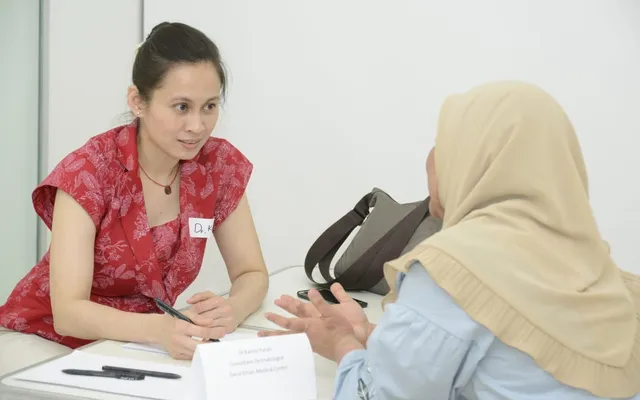
Seeing Dr Kartini for acne
Dr Kartini Farah Rahim is a Consultant Dermatologist on Malaysia’s National Specialist Register. She practises at Avisena Specialist Hospital and Avisena Women’s & Children’s Specialist Hospital in Shah Alam, Selangor, and consults in English and Bahasa Malaysia. Her clinical focus includes acne, and she is known for the care of women and children.
A consultation for acne usually involves:
- History: when the acne started, treatments and products you have tried, medicines, menstrual and family history, and how acne affects your daily life
- Examination: of the face, chest and back, including any scarring or pigmentation
- Diagnosis: confirming acne, grading its severity and ruling out conditions that look similar
- Management plan: an individualised plan with clear instructions and safety advice
- Follow-up: reviewing progress, adjusting treatment, and planning care for marks or scars when appropriate
You can read more about Dr Kartini or book an appointment.