What is eczema (ekzema)?
Eczema, or ekzema in Malay, is a group of conditions that make the skin dry, itchy and inflamed. The most common type is atopic eczema, also called atopic dermatitis. It is a long-term condition in which periods of calm skin are interrupted by flares.
Malaysia’s Clinical Practice Guidelines (CPG) on atopic eczema describe it as a chronic, recurrent, itchy inflammatory skin disorder that usually starts in early childhood and may persist into adulthood. It is not contagious and is not caused by poor hygiene.
Who gets atopic eczema?
Atopic eczema can affect anyone, but it is most common in babies and young children. The Malaysian CPG reports that the 12-month prevalence among Malaysian children rose from 9.5% in 1994–1995 to 12.6% in 2002–2003, and that it can reach 20% in some countries.
People are more likely to develop eczema if they, or close family members, have eczema, asthma or hay fever. The CPG notes that, on average, about one in three children with atopic eczema go on to develop asthma. Many children improve as they grow older, although the skin often stays sensitive.
What causes eczema and what triggers flares?
Eczema develops from a mix of genes, an overactive immune response and a weakened skin barrier. Some people carry changes in the filaggrin gene, which normally helps keep the skin sealed and hydrated. When the barrier is weak, water escapes and irritants and allergens get in more easily, which leads to itch and inflammation. Scratching then damages the skin further, creating an itch–scratch cycle.
Common triggers listed in the Malaysian CPG include:
- Irritants: soaps, detergents, shampoos and disinfectants
- Heat and sweat: warm weather and high sun exposure are linked with poorer control, and sweat worsens itch
- Fabrics: nylon and wool clothing
- Aeroallergens: house dust and house dust mites, and unfamiliar animals
- Air pollution: including outdoor pollution and newly painted buildings
- Infection: Staphylococcus aureus bacteria commonly colonise eczema skin
- Personal factors: stress and pregnancy
- Food: in some children under two, particularly milk, egg and peanut
How can you tell eczema from other rashes?
Several itchy rashes look similar, and they need different treatment. The table below shows common differences.
| Condition | What it usually looks like | Helpful clues |
|---|---|---|
| Atopic eczema | Dry, itchy, poorly defined patches in skin creases; cheeks in babies | Starts in childhood; personal or family history of asthma or hay fever |
| Psoriasis | Thick, well-defined plaques with silvery scale on elbows, knees, scalp | Nail pitting; family history of psoriasis |
| Contact dermatitis | Rash where an irritant or allergen touched the skin | Linked to a product, glove, jewellery or plant |
| Fungal infection (kurap) | Ring-shaped patch with a scaly, spreading edge | Often in skin folds; can worsen with steroid creams alone |
| Scabies (kudis buta) | Tiny itchy bumps, sometimes with burrows | Finger webs, wrists and waist; family members itchy too |
For a closer look at two commonly confused conditions, read eczema vs psoriasis. Allergic rashes are covered under skin allergies, and infections such as fungal rashes and scabies under skin infections.
How is eczema diagnosed?
Atopic eczema is diagnosed clinically, by taking a history and examining the skin. There is no single blood test for it. The Malaysian CPG uses the UK Working Party diagnostic criteria, which look for an itchy skin condition plus features such as involvement of skin creases, a history of dry skin, asthma or hay fever, and early onset.
A dermatologist also assesses how severe the eczema is and how it affects sleep, school, work and family life. Patch testing, allergy tests or skin swabs are arranged only when the history suggests they will help.
How is eczema treated in Malaysia?
There is no permanent cure for eczema, but most people can control it well with the right routine. Treatment is individualised and follows a stepwise approach in the Malaysian CPG, with each step building on the one before.
| Severity | Treatment approach |
|---|---|
| Clear to almost clear | Daily moisturisers, gentle bathing, education and managing triggers |
| Mild | Add a mild topical corticosteroid or a topical calcineurin inhibitor for flares |
| Moderate | Moderate-strength topical corticosteroid or calcineurin inhibitor; wet wrap therapy; phototherapy |
| Severe | Stronger topical treatment, wet wraps and phototherapy, with systemic or biologic medicines under specialist care |
Moisturisers and bathing
Moisturisers (emollients) are the foundation of treatment at every stage. They repair the skin barrier, reduce itch and lower the amount of steroid cream needed. The CPG’s eczema action plan advises:
- Bathing with a gentle cleanser for less than 10 minutes, avoiding very hot or cold water
- Applying moisturiser to the whole body straight after bathing, and at least three times a day
- Wearing soft, breathable cotton clothing, especially at night
Topical corticosteroids: are steroid creams safe?
Many families in Malaysia worry about steroid creams. Topical corticosteroids are the first-line anti-inflammatory treatment for eczema in both children and adults. Your doctor chooses the strength based on age, body site and severity, and reduces it gradually as the skin settles to avoid a rebound flare.
Under-treating eczema out of fear often leads to longer flares, more scratching and more infection. The fingertip unit helps measure the right amount. Once eczema is controlled, some patients are advised to keep using a mild steroid once or twice a week, or a calcineurin inhibitor two to three times a week, on previously affected skin to help prevent flares.
Other treatments
- Topical calcineurin inhibitors are non-steroid creams, useful on the face and skin folds.
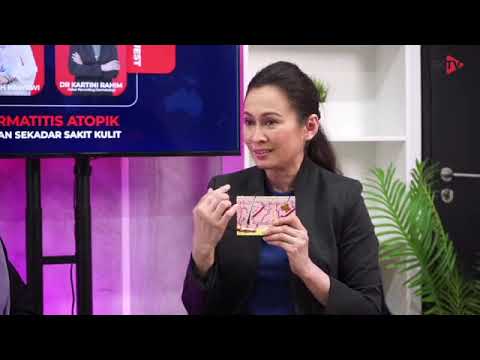
- Wet wrap therapy calms severe, non-infected flares. Dr Kartini demonstrates this technique in her videos.
- Antiseptics or antibiotics are used only when there are signs of infection.
- Sedating antihistamines may help sleep for a short period, but do not treat eczema itself.
- Phototherapy, systemic immunomodulating medicines and biologics are options for severe eczema that remains uncontrolled despite optimised topical treatment. These need regular monitoring, and should never be stopped without medical advice.
Eczema in Malaysia: heat, sweat, haze and everyday life
Living with eczema in Malaysia brings its own challenges.
- Heat and sweat. Warmth and sweating worsen itch. Keep rooms cool, rinse off sweat promptly with lukewarm water, and choose lighter creams that feel comfortable in hot weather.
- Haze. Air pollution is linked with worse eczema symptoms. On hazy days, limit time outdoors and keep up with moisturiser.
- School-age children. Itch can disrupt sleep and concentration. Give teachers a copy of your child’s eczema action plan, and pack moisturiser in the school bag. See our page on children’s skin conditions.
- Fasting month. Changes in sleep and routine during Ramadan can make it easy to skip treatment. Moisturising at sahur and after iftar can help keep skin care on track.
- Unregistered creams. The Malaysian CPG warns that some traditional products contain hidden steroids such as dexamethasone, or mercury. Avoid “miracle” creams sold online and check products with the National Pharmaceutical Regulatory Agency (NPRA).
- Complementary remedies. These should not replace conventional treatment.
- Getting care in Selangor. Government hospital dermatology clinics usually need a referral letter, while private specialist hospitals generally accept direct appointments. Bring your current creams, previous prescriptions and photos of flares to your visit.
Dr Kartini serves as Media Advisor for the Malaysia Eczema Support Community (MESC) Facebook group.
When should you see a dermatologist for eczema?
The Malaysian CPG recommends dermatology referral when:
- The diagnosis is uncertain
- Eczema is severe or uncontrolled, needs strong steroid creams, causes frequent infections, or disturbs sleep
- Eczema affects sites that are difficult to treat, such as the face, hands or genitals
- You need a treatment demonstration, or you or your family are worried or distressed
Seek urgent medical care, the same day, if eczema suddenly worsens and becomes painful with clusters of blisters, punched-out sores or crusts, especially with fever. This can be eczema herpeticum, a serious herpes virus infection. Urgent care is also needed for widespread redness over most of the body, or a severe skin infection with fever.
Seeing Dr Kartini for eczema
Dr Kartini Farah Rahim is a Consultant Dermatologist on Malaysia’s National Specialist Register, practising at Avisena Specialist Hospital and Avisena Women’s & Children’s Specialist Hospital in Shah Alam, Selangor. Eczema is one of her areas of clinical focus, and she is known for the care of women and children. Consultations are available in English and Bahasa Malaysia.
An eczema consultation usually involves:
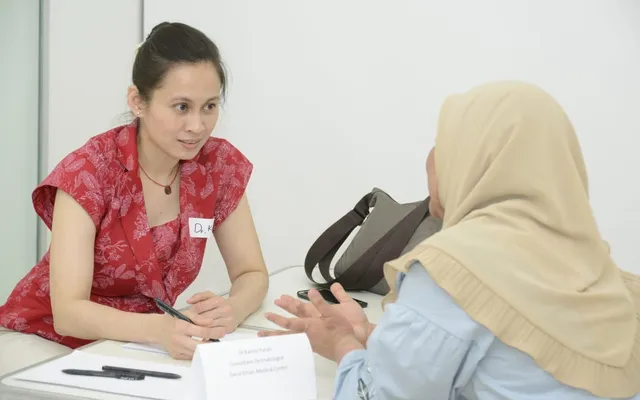
- History: when the eczema started, triggers, family history of allergies, current skin care and previous treatments
- Examination: of the skin to assess the pattern, severity and any signs of infection
- Diagnosis: confirming eczema and ruling out conditions that look similar
- Management plan: an individualised plan covering skin care, treatments, how to use them safely, and what to do during a flare
- Follow-up: reviewing progress and adjusting treatment over time
Learn more about Dr Kartini or book an appointment.