Skin infections happen when bacteria, fungi, viruses or parasites overcome the skin’s natural defences. Many are mild and respond well to the right treatment. The key word is right: using an antifungal on a bacterial infection, or a steroid cream on a fungal one, can make things worse.
What are the main types of skin infection?
Skin infections are usually grouped by what causes them.
| Infection | Malay term | Cause | Typical appearance | Contagious? |
|---|---|---|---|---|
| Impetigo | – | Bacteria, usually Staphylococcus aureus | Honey-coloured crusts or blisters, often around the nose and mouth | Yes, easily spread |
| Folliculitis and boils | Bisul | Usually bacteria | Pus spots or painful lumps centred on hair follicles | Can spread |
| Cellulitis | Selulitis | Bacteria | Hot, red, painful, swollen skin, often on a leg, with fever | Not usually spread by everyday contact |
| Tinea (ringworm) | Kurap | Dermatophyte fungi | Itchy, scaly rings; body, groin, feet, scalp or nails | Yes |
| Pityriasis versicolor | Panau | Malassezia yeast that normally lives on skin | Pale, pink or brown patches with fine scale | Not considered infectious in the usual sense |
| Candida | Jangkitan yis | Candida yeast | Red, moist, sore skin folds with small satellite spots | Rarely |
| Warts | Ketuat | Human papillomavirus | Rough, raised lumps; flat and painful on soles | Yes |
| Molluscum contagiosum | – | Poxvirus | Small pearly bumps with a central dimple | Yes |
| Shingles | Kayap | Reactivated chickenpox virus | Painful band of blisters on one side of the body | Can cause chickenpox in people who are not immune |
| Scabies | Kudis buta | Mites | Intensely itchy spots, worse at night | Yes, through close skin contact |
What bacterial skin infections are common?
Impetigo is most common in young children but can occur at any age. DermNet notes that eczema, scabies, skin injuries, warm climates and crowded settings increase the risk. It spreads mainly through direct contact.
Folliculitis and boils develop when hair follicles become infected, often after shaving, sweating or friction from tight clothing. Boils that keep returning deserve a check for diabetes, bacterial carriage and other causes. Repeated painful lumps in the armpits, groin or buttocks may be hidradenitis suppurativa rather than simple boils.
Cellulitis is an infection of the deeper skin layers. It usually causes a red, hot, swollen and painful area, often on the lower leg, and may come with fever and chills. Risk factors include breaks in the skin from athlete’s foot or cracked heels, leg swelling, diabetes and obesity. Severe pain, rapidly spreading redness, blistering, dusky or numb skin, or confusion need emergency care.
A note on antibiotics
DermNet notes that topical antibiotics may be less effective in some regions because of bacterial resistance. To help protect antibiotics for the future:
- use antibiotics only when prescribed for a confirmed or strongly suspected bacterial infection
- complete the course as directed
- avoid using leftover antibiotics or long-term antibiotic creams on your own
Why are fungal infections like kurap and panau so common in Malaysia?
Fungi and yeasts thrive in warm, moist skin. Malaysia’s heat and humidity, frequent sweating, tight or synthetic clothing, damp swimwear and shared towels all create favourable conditions.
Tinea (kurap) can affect the body, the groin, the feet (athlete’s foot), the scalp and the nails. It spreads through close contact with people or animals and through shared items. NHS guidance notes that antifungal treatment may be needed every day for up to 4 weeks, and should be continued for the full course even after the skin looks better. Scalp and nail infections usually need oral treatment from a doctor.
Pityriasis versicolor (panau) is caused by Malassezia yeasts that normally live on the skin. DermNet describes it as much more common in hot, humid climates and in people who sweat heavily. Colour changes can persist for weeks or months after successful treatment, and it often recurs, so a preventive routine may be suggested.
Candida tends to affect moist skin folds, such as under the breasts, the groin and the nappy area. It is more likely with diabetes, obesity or after antibiotics.
Safety note: do not use steroid creams or steroid-containing combination creams on a rash that could be fungal unless a doctor has confirmed the diagnosis. Steroids can make tinea spread and disguise its appearance.
Which viral skin infections need a doctor?
Warts (ketuat) are caused by human papillomavirus. Many clear without treatment over time, especially in children. Options include freezing (cryotherapy) and other physical or topical treatments. Warts on the face or genitals should always be managed by a doctor.
Molluscum contagiosum mainly affects children and often clears by itself. See our children’s skin conditions page for more detail.
Shingles (kayap) occurs when the chickenpox virus reactivates. It usually starts with tingling or pain, followed a few days later by a band of blisters on one side of the body. According to the NHS, antiviral medicine usually needs to be started within 3 days of the rash appearing to work well.
Seek urgent medical review if shingles affects the forehead, eye area or tip of the nose, or if your vision changes, as the eye can be involved. There is a long-held belief that kayap which “meets” around the body is fatal. This is a myth, although widespread or unusual shingles should be assessed promptly, particularly in people with weakened immunity.
What is scabies (kudis buta) and how is it treated?
Scabies is caused by tiny mites that burrow into the skin. The World Health Organization estimates that at least 200 million people have scabies at any one time. It spreads through close skin contact, so it commonly passes between family members, in hostels and boarding schools (asrama) and in care homes. It is not a sign of poor hygiene.
Typical features include:
- intense itching, especially at night
- small spots or burrows between the fingers, on the wrists, waist and genitals
- symptoms that usually begin 4 to 6 weeks after infestation, according to the WHO
Treatment uses prescription creams or lotions applied to the whole body, sometimes with oral medicine. Everyone in the household should be treated at the same time, even without symptoms, and bedding and clothing should be washed hot. Itching can continue for a few weeks after successful treatment, which is not always a sign of failure. Scratched scabies can become infected with bacteria, causing impetigo.
What else should people in Malaysia know about skin infections?
- Humidity and sweat: shower and dry skin folds after sweating or exercise, change out of damp clothing promptly, and wear breathable fabrics.
- Public pools, gyms and shared bathrooms or ablution areas: wear footwear in shared wet areas and dry between the toes carefully.
- Schools, taska and asrama: impetigo, scabies and molluscum can spread through close contact and shared towels.
- Pets: cats and dogs can pass on some types of kurap.
- Diabetes: raised blood sugar increases the risk of fungal and bacterial skin infections and slows healing.
- Traditional remedies and unregulated creams: herbal pastes on broken skin or blisters can irritate or become infected, and some unregistered creams may contain undeclared steroids that worsen fungal infections.
- Stigma: kurap and kudis buta are sometimes wrongly associated with being unclean. Anyone can get them, and prompt treatment is what matters.
Seeing Dr Kartini for skin infections
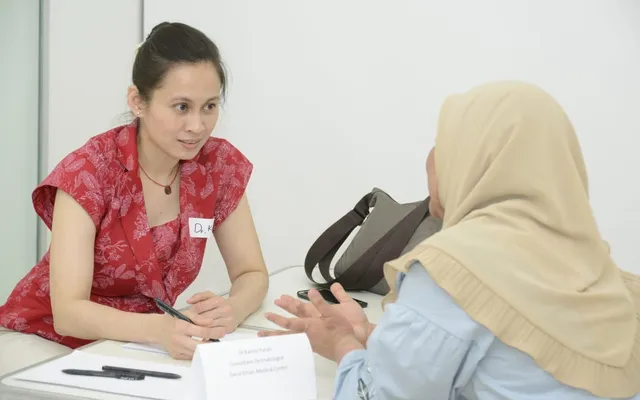
Skin infections are one of the clinical focus areas of Dr Kartini Farah Rahim, Consultant Dermatologist at Avisena Specialist Hospital, Shah Alam.
A consultation usually involves:
- History: when the rash started, whether others at home are affected, pets, sports, work, travel, medical conditions such as diabetes, and treatments already tried. Bringing the creams you have used is helpful.
- Examination: including skin folds, feet, nails and scalp where relevant.
- Tests where appropriate: skin scrapings or nail clippings for fungal testing, skin swabs for bacteria or viruses, examination of skin scrapings for scabies mites, and occasionally a skin biopsy.
- A management plan: targeted treatment, advice for household contacts, and steps to reduce recurrence.
- Follow-up: to confirm the infection has cleared and review any underlying factors.
Consultations are available in English and Bahasa Malaysia. Visit appointments to book.