Hidradenitis suppurativa, usually shortened to HS, is a long-term skin condition that is often misunderstood. Many people live with painful lumps for years, believing they have recurring boils, before receiving a diagnosis. Knowing what HS is, and that it is not caused by anything a person has done wrong, is an important first step.
What is hidradenitis suppurativa?
HS is a chronic inflammatory condition that starts around hair follicles in areas where skin rubs against skin. According to the NHS, the lumps develop as a result of blocked hair follicles. Inflammation then builds up beneath the skin, causing:
- painful lumps and abscesses that may burst and drain
- tunnels under the skin, called sinus tracts, that leak repeatedly
- scarring that can tighten the skin over time
HS is sometimes called acne inversa, but the American Academy of Dermatology emphasises that it is not acne. It is also:
- not contagious
- not a sexually transmitted infection
- not caused by poor hygiene
DermNet notes that delayed diagnosis is common. In Malaysia, lumps are frequently treated as bisul (boils) or infected ingrown hairs, sometimes many times, before HS is recognised. Our page on skin infections explains how ordinary boils differ.
Who gets HS and what causes it?
HS is more common than many people realise. DermNet reports estimates ranging from 0.1% to 4% of people worldwide, while the British Association of Dermatologists estimates that it affects around 1% of the UK population.
Key facts about who is affected:
- It usually begins after puberty, most often in the teens and twenties, and rarely before puberty.
- DermNet reports that women are affected about three times as often as men in Western populations.
- About one third of people with HS have a family history of the condition.
The exact cause is not fully understood. Contributing factors include:
- blockage of hair follicles
- an overactive immune response
- hormones, with some women noticing flares before periods
- smoking and excess weight, which are linked with more severe disease
- friction and pressure in skin folds
HS is also associated with other health conditions, including depression, anxiety, diabetes, raised cholesterol, high blood pressure, inflammatory bowel disease and inflammatory arthritis. Your doctor may suggest checks for these.
What are the symptoms of HS?
Symptoms vary from occasional painful lumps to widespread, persistent disease. Common features include:
- painful, deep lumps in the armpits, groin, buttocks, inner thighs, under the breasts or around the genitals
- lumps that burst and leak pus or blood, which can stain clothing and cause odour
- blackheads, often in pairs, in the affected folds
- flares that return in the same places
- draining tunnels and rope-like scars in longer-standing disease
How is HS diagnosed?
There is no single blood test or scan that confirms HS. The diagnosis is usually made clinically, based on three features:
- typical lesions: deep, painful lumps, abscesses, tunnels or scars
- typical locations: skin folds such as the armpits, groin, buttocks and under the breasts
- a recurring pattern: lumps that keep returning over months or years
A skin swab may be taken if infection is suspected, but routine swabs often grow normal skin bacteria and do not confirm or exclude HS. Occasionally, ultrasound imaging or a skin biopsy helps when the picture is unclear. Recognising HS early allows treatment to begin before tunnels and scarring develop.
What are the Hurley stages of hidradenitis suppurativa?
Dermatologists often describe HS severity using the Hurley staging system, as summarised by DermNet.
| Hurley stage | What it means | Typical focus of care |
|---|---|---|
| Stage I | One or more abscesses, without tunnels (sinus tracts) or scarring | Early medical treatment, skin care, lifestyle support and a flare plan |
| Stage II | Recurrent abscesses with tunnel formation and scarring | Longer-term medical treatment, with local procedures for persistent lumps |
| Stage III | Widespread, interconnected tunnels and abscesses across an entire area | Advanced medical treatment such as biologic therapy, combined with surgery |
DermNet notes that Hurley staging does not move backwards, because scarring is permanent. This is one reason early diagnosis and treatment matter. Dermatologists may also use other scoring tools to track how active the disease is over time.
How is HS treated?
Treatment is individualised and aims to reduce pain and flares, prevent new tunnels and scars, and improve quality of life. Options include:
- Skin care: antiseptic washes, gentle cleansing and absorbent dressings for draining areas.
- Topical antibiotics for mild disease.
- Oral antibiotics: longer courses are used mainly for their anti-inflammatory effect, and combinations may be used for more severe flares. These need medical supervision to limit side effects and antibiotic resistance.
- Steroid injections into individual painful lumps to settle inflammation quickly.
- Other oral medicines: retinoids, hormonal treatments and certain metabolic medicines in selected patients. Retinoids must not be taken during pregnancy.
- Biologic therapy for moderate to severe HS that has not responded to other treatments.
- Procedures and surgery: deroofing (opening tunnels), excision of affected skin, and laser hair removal to reduce follicle blockage.
- Pain management as part of routine care.
- Lifestyle support: help to stop smoking, weight management where needed, loose clothing and avoiding shaving or friction in affected areas, as advised by the NHS.
Draining an abscess can relieve pain, but lumps often return without longer-term treatment.
How does HS affect emotional wellbeing?
HS affects far more than the skin. Pain can make walking, sitting and working difficult. Drainage, odour and stained clothing can affect confidence, relationships and intimacy. Depression and anxiety are more common in people with HS, and the NHS recognises that the condition can significantly affect quality of life.
It is important to know that:
- HS is not your fault
- talking openly with your doctor about pain and mood is part of good care
- professional psychological support can help, and your doctor can guide you towards it
- connecting with others who understand can reduce isolation
What should people with HS in Malaysia know?
- Heat, sweat and friction: many people find that hot, humid weather and sweating make symptoms more uncomfortable. Loose, breathable clothing and keeping skin folds cool and dry may help.
- Misdiagnosis as bisul: repeated drainage or antibiotic courses without a diagnosis can delay effective long-term care. Ask about HS if lumps keep returning in the same folds. The article on finding the right dermatologist for your skin condition may help you plan next steps.
- Traditional remedies and unregulated creams: squeezing lumps, applying poultices or pastes to open wounds, or using unregistered creams can worsen irritation and infection.
- Modesty and embarrassment: HS affects intimate areas, and many people delay seeking help. You can request a chaperone during examination.
- Prayer and daily life: drainage onto clothing can add worry for Muslim patients around cleanliness for prayer. Discussing practical dressing options with your healthcare team can help.
- Fasting: if you plan to fast during Ramadan while on treatment, discuss medicine timing with your doctor.
- Support groups: the Hidradenitis Suppurativa Support Group Malaysia offers peer support. Dr Kartini Farah Rahim serves as the group’s main medical advisor.
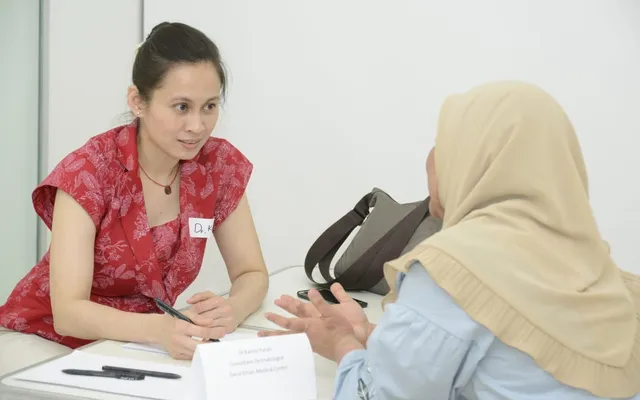
Seeing Dr Kartini for hidradenitis suppurativa
Dr Kartini Farah Rahim is a Consultant Dermatologist at Avisena Specialist Hospital, Shah Alam, with training in both dermatology and internal medicine.
A consultation typically includes:
- History: when lumps began, where they occur, how often they flare, family history, smoking, previous antibiotics or surgery, and how HS affects your work, sleep and mood.
- Examination: of affected areas, carried out with privacy and a chaperone if you wish, to assess staging and disease activity.
- Tests where appropriate: a skin swab if secondary infection is suspected, blood tests to check for related conditions or before certain treatments, and occasionally a skin biopsy if the diagnosis is uncertain.
- A management plan: combining skin care, medicines, flare management and lifestyle support, with referral for surgical treatment when needed.
- Follow-up: regular reviews to adjust treatment, monitor side effects and track progress over time.
Consultations are available in English and Bahasa Malaysia. To book, see appointments.